
Hormonal Acne in Your 30s and 40s: Why It Happens and What Actually Works
You did everything right as a teenager. Cleansed twice a day, used the spot treatments, got through it. And now — in your 30s or 40s — the acne is back. Deep, cystic breakouts along your jawline. Painful ones that don't come to a head. Breakouts that track your cycle like clockwork. This isn't teenage acne. It's hormonal acne, and it requires a completely different approach.
Why Hormonal Acne Happens in Adulthood
Hormonal acne is triggered by fluctuations in androgens — specifically testosterone — which stimulate the sebaceous glands to produce more oil. In women, these fluctuations happen around the menstrual cycle, during perimenopause, with PCOS, after stopping birth control, and during periods of high stress (which elevates cortisol, which in turn affects androgen levels).
The result: excess sebum, clogged pores, and inflammation — primarily along the lower face, chin, and jawline. The pattern is almost always the same.
Why Standard Acne Treatments Don't Work
Most over-the-counter acne treatments — benzoyl peroxide, salicylic acid cleansers, drying spot treatments — are designed for surface-level, bacterial acne. Hormonal acne lives deeper. It starts in the sebaceous gland, not on the surface, which is why topical treatments that work for teen acne often do nothing — or make hormonal acne worse by over-stripping and triggering more oil production.
What Actually Works for Hormonal Acne
Professional Corrective Facials
At Silken Aesthetics, Mollie takes a root-cause approach to hormonal acne. Rather than applying a standard acne protocol, she assesses your specific breakout patterns, skin barrier health, and sensitivity level before choosing any product or technique.
For hormonal acne specifically, treatments focus on regulating sebum production, supporting the skin barrier, reducing inflammation, and clearing congestion without over-stimulating the glands. This looks different for a 34-year old with PCOS than it does for a 47-year-old in perimenopause — and Mollie treats them differently.
Chemical Peels
Professional chemical peels — specifically PCA Skin peels — are highly effective for hormonal acne because they work below the surface, accelerating cell turnover, clearing congested follicles, and reducing post-acne hyperpigmentation. At Silken Aesthetics, peels are integrated into facial treatments or offered as standalone add-ons.
Home Routine Calibration
One of the most common things Mollie finds with new acne clients: they're using products that are actively making their skin worse. Over-washing, using drying ingredients on a compromised barrier, or layering too many actives. Part of corrective skincare is simplifying and rebuilding from scratch with the right products.
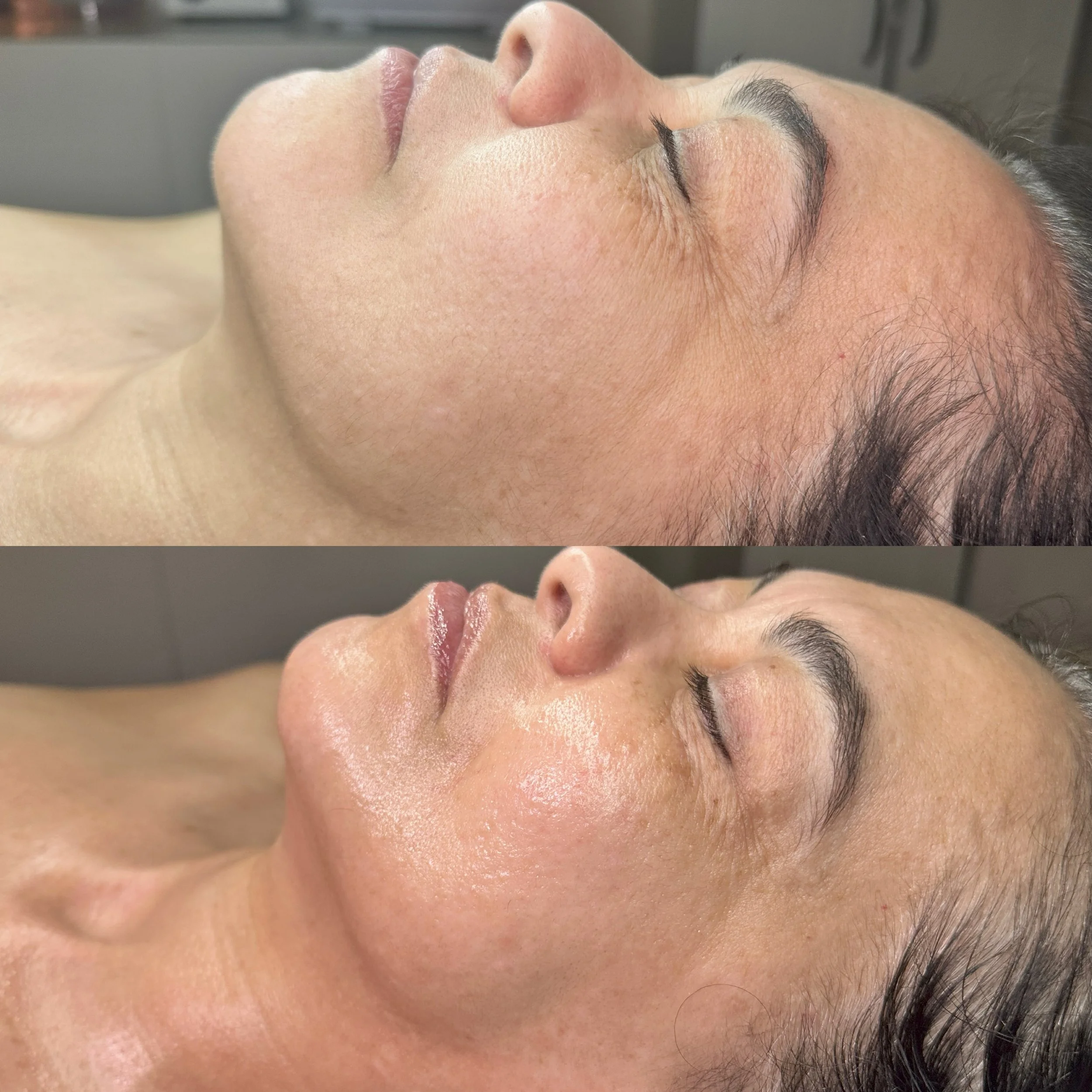
What to Expect From Treatment
Hormonal acne is not a quick fix. Realistic expectations for a corrective facial series:
Sessions 1-2: Skin may purge slightly as congestion is brought to the surface. This is normal and temporary.
Sessions 3-4: Active breakouts begin to reduce. Inflammation calms down.
Sessions 5-6: Skin clarity noticeably improves. Post-acne marks begin fading.
Ongoing: Maintenance every 4-6 weeks keeps skin regulated, especially during hormonal shifts.
Proper aftercare doesn’t end when the initial redness and sensitivity subside. Here’s what to do after a facial to offer long-term protection for your skin:
Make hydrating facials part of your skincare routine at Silken Aesthetics!
Ready to transform your skin? Mollie at Silken Aesthetics specializes in hormonal acne for women in their 30s, 40s, and beyond. Book a custom facial at our Downtown Orlando spa and get a real plan — not another generic facial.